
Quick Answer
What are mitochondria?
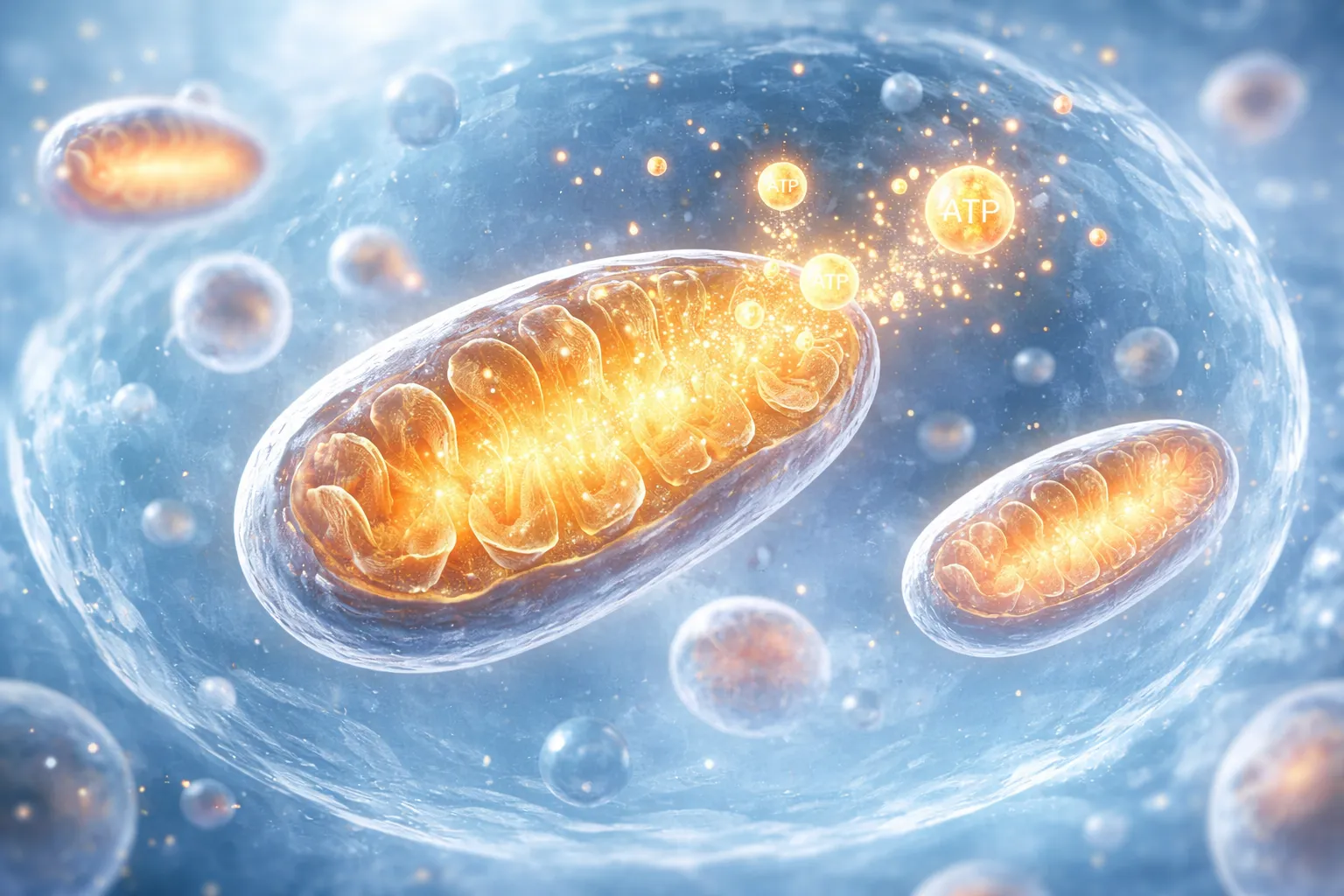
Mitochondria are tiny organelles inside your cells that convert nutrients from food into ATP (adenosine triphosphate) — the energy currency your body uses for everything from muscle movement to brain function. Often called the 'powerhouse of the cell,' each cell contains hundreds to thousands of mitochondria, and they're essential for life.
You've probably heard the phrase "mitochondria are the powerhouse of the cell" — it's one of the most memorable facts from high school biology. But what does that actually mean for your health?
Understanding mitochondria isn't just academic. These microscopic structures play a central role in your energy levels, metabolism, aging, and overall health. In this guide, we'll break down the science in plain language.
What Are Mitochondria?
Mitochondria (singular: mitochondrion) are specialized structures found inside nearly every cell in your body. They're often described as "cellular power plants" because their primary job is generating energy.
Key facts about mitochondria:
- Size: About 1-10 micrometers long (1,000 times smaller than a millimeter)
- Quantity: Most cells contain 1,000-2,500 mitochondria; heart and brain cells can have up to 5,000
- Origin: Scientists believe mitochondria were once independent bacteria that merged with our cells billions of years ago
- Unique feature: Mitochondria have their own DNA, separate from the DNA in your cell's nucleus

Mitochondria structure with inner membrane folds (cristae)
Unlike other cell components, mitochondria have a double membrane — an outer membrane and a highly folded inner membrane. These folds, called cristae, dramatically increase the surface area where energy production occurs.
How Do Mitochondria Produce Energy?
The process of energy production in mitochondria is called cellular respiration. Here's how it works:
Step 1: Fuel Arrives
When you eat food, your digestive system breaks it down into basic nutrients — glucose from carbohydrates, fatty acids from fats, and amino acids from proteins. These nutrients travel through your bloodstream to your cells.
Step 2: Preparation (Glycolysis)
In the cell's cytoplasm, glucose is broken down into a molecule called pyruvate. This process, called glycolysis, produces a small amount of energy but doesn't require mitochondria.
Step 3: The Citric Acid Cycle
Pyruvate enters the mitochondria and is converted into acetyl-CoA, which feeds into the citric acid cycle (also called the Krebs cycle). This cycle extracts high-energy electrons from the fuel molecules.
Step 4: The Electron Transport Chain
This is where the magic happens. The high-energy electrons move through a series of proteins embedded in the inner mitochondrial membrane. As they pass through, they power molecular pumps that create a concentration gradient.
Step 5: ATP Synthesis
The gradient powers an enzyme called ATP synthase, which spins like a tiny turbine to produce ATP — the energy molecule your body actually uses.
The result: From one glucose molecule, mitochondria can produce approximately 36-38 ATP molecules. This is vastly more efficient than glycolysis alone, which only produces 2 ATP.
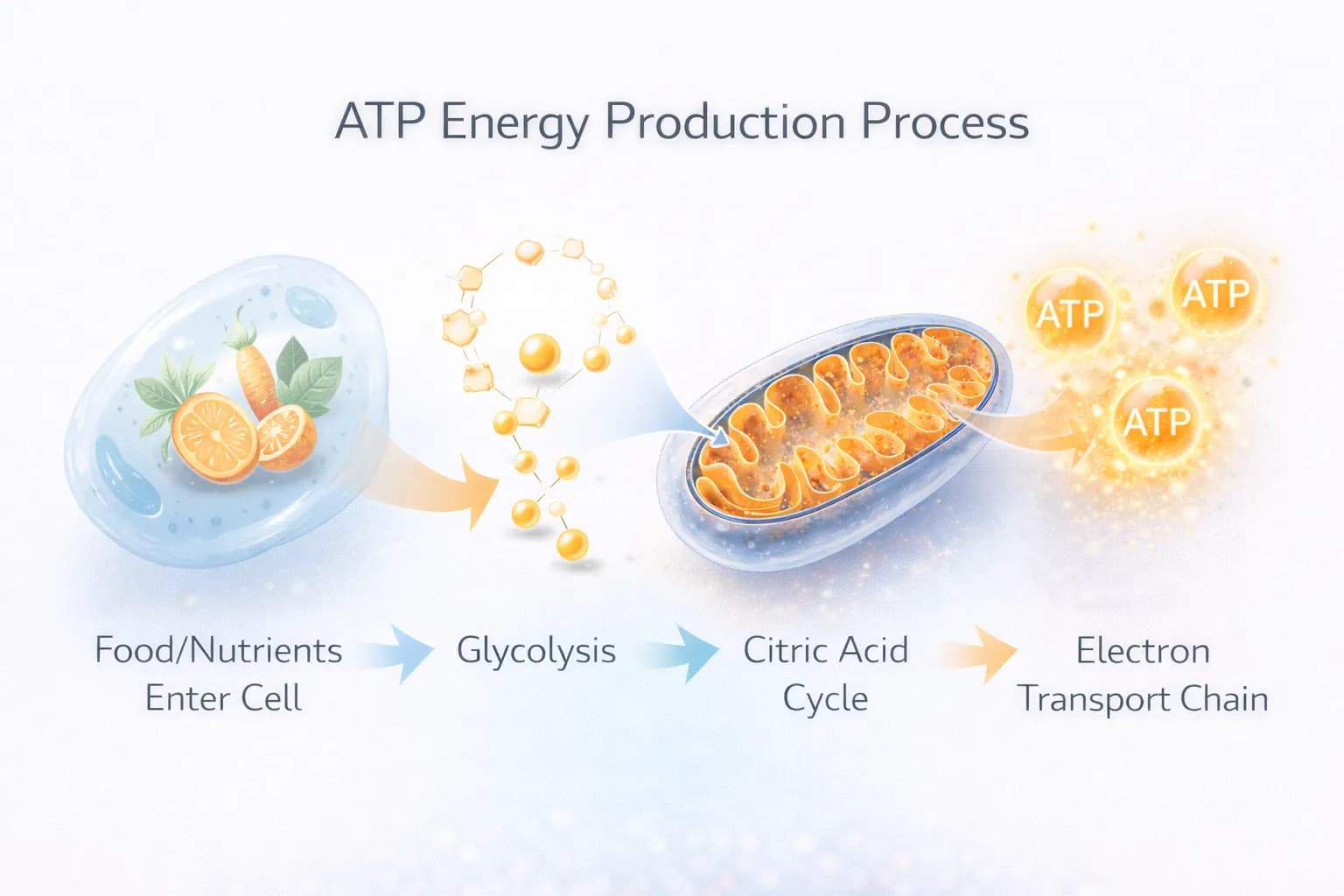
How mitochondria convert food into cellular energy (ATP)
Why Are Mitochondria Important for Health?
Mitochondria do far more than just produce energy. They're involved in numerous critical functions:
1. Energy Production
This is their primary role. Every action you take — thinking, moving, breathing, even sleeping — requires ATP. Without functioning mitochondria, your cells would starve.
2. Metabolism Regulation
Mitochondria are central to how your body burns calories. When mitochondrial function is optimal, your metabolism runs efficiently. When it's impaired, metabolism can slow down.
3. Cell Death (Apoptosis)
Mitochondria help control programmed cell death — a natural process that removes damaged or unnecessary cells. This is essential for preventing cancer and maintaining healthy tissues.
4. Calcium Regulation
Mitochondria help regulate calcium levels inside cells, which is important for muscle contraction, nerve signaling, and many enzymatic reactions.
5. Heat Production
In a process called thermogenesis, mitochondria can generate heat instead of ATP. This is how your body maintains its temperature and why some types of fat (brown fat) are considered metabolically active.
6. Hormone Production
Mitochondria are involved in producing steroid hormones, including cortisol, estrogen, and testosterone.
What Happens When Mitochondria Decline?
Mitochondrial function naturally decreases with age. This decline is associated with many aspects of aging and age-related conditions:
Signs of declining mitochondrial function:
- Persistent fatigue and low energy
- Slower metabolism and weight gain
- Decreased exercise endurance
- Brain fog and cognitive decline
- Slower recovery from illness or exercise
- Muscle weakness
Research suggests mitochondrial decline may begin as early as your 30s and accelerates over time. Several factors can speed up this process:
- Oxidative stress: Free radicals damage mitochondrial membranes and DNA
- Chronic inflammation: Inflammatory signals impair mitochondrial function
- Poor diet: Lack of essential nutrients limits energy production
- Sedentary lifestyle: Muscles with fewer demands produce fewer mitochondria
- Chronic stress: Stress hormones can damage mitochondrial structures
- Environmental toxins: Pollution and certain chemicals harm mitochondria
How to Support Mitochondrial Health
The good news is that lifestyle factors significantly influence mitochondrial function:
Exercise
Physical activity is one of the most powerful ways to boost mitochondrial health. Exercise stimulates mitochondrial biogenesis — the creation of new mitochondria. Both endurance exercise and high-intensity interval training (HIIT) have been shown to increase mitochondrial density.
Nutrition
Certain nutrients are essential for mitochondrial function:
- Coenzyme Q10 (CoQ10): Directly involved in the electron transport chain
- B vitamins: Essential cofactors for energy production
- Magnesium: Required for ATP synthesis
- Omega-3 fatty acids: Support mitochondrial membrane health
- Antioxidants: Protect mitochondria from oxidative damage
Foods rich in these nutrients include fatty fish, leafy greens, nuts, seeds, and colorful vegetables.
Sleep
During sleep, your body repairs damaged mitochondria and clears cellular waste. Chronic sleep deprivation impairs mitochondrial function and can reduce efficiency by up to 25%.
Cold Exposure
Brief exposure to cold temperatures activates brown fat and stimulates mitochondrial biogenesis. This is why practices like cold showers have gained popularity for metabolic health.
Stress Management
Chronic stress and elevated cortisol levels damage mitochondria over time. Practices like meditation, deep breathing, and adequate rest help protect mitochondrial function.
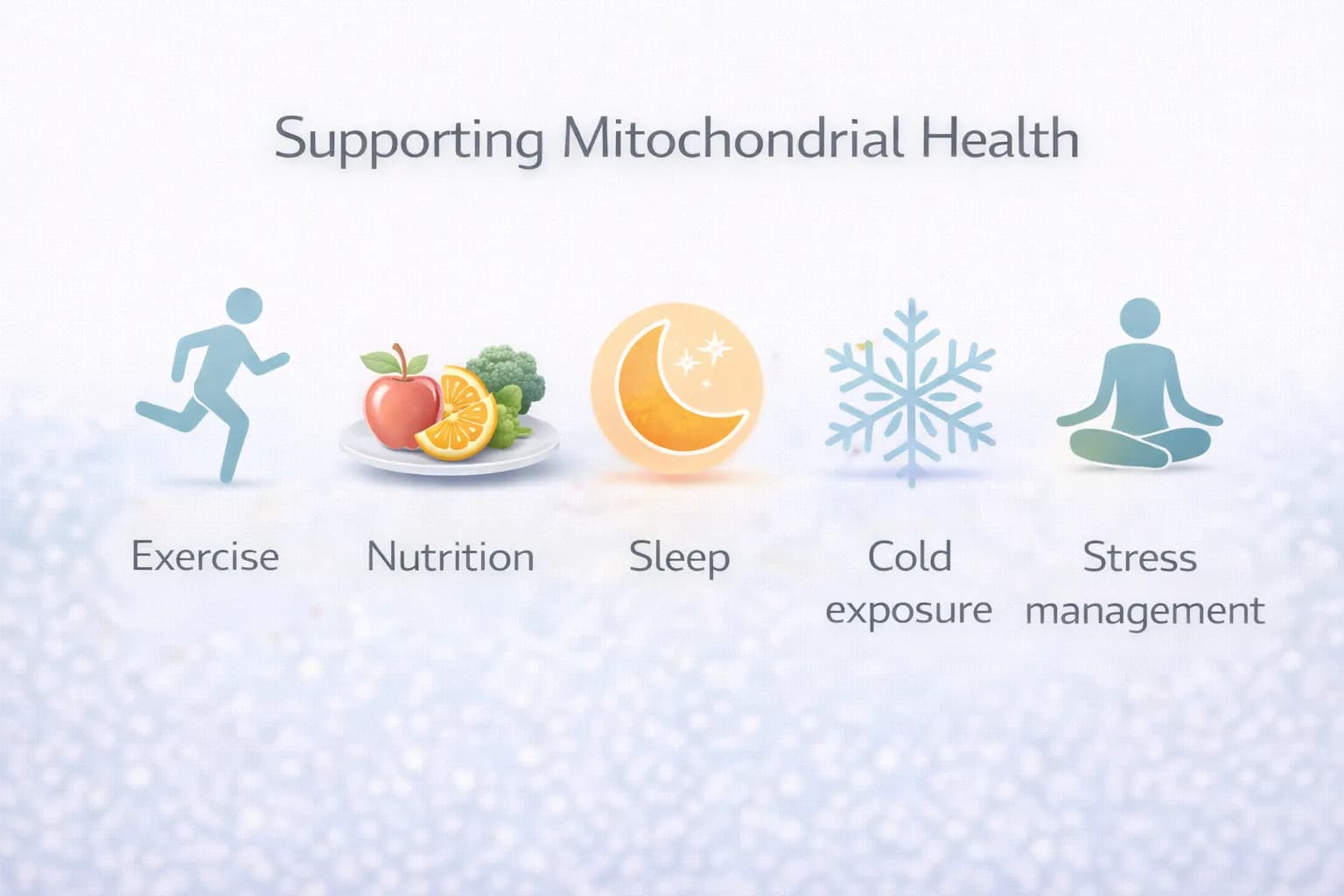
Lifestyle factors that boost mitochondrial function
For more practical strategies on supporting mitochondrial health and metabolism, see our guide on how to boost your metabolism naturally.
Mitochondria and Disease
Dysfunction in mitochondria is linked to numerous health conditions:
Metabolic Conditions
Since mitochondria regulate energy metabolism, their dysfunction is associated with obesity, type 2 diabetes, and metabolic syndrome.
Neurodegenerative Diseases
Brain cells are especially dependent on mitochondria due to their high energy demands. Mitochondrial dysfunction is implicated in Alzheimer's disease, Parkinson's disease, and other neurological conditions.
Cardiovascular Disease
Heart muscle cells contain more mitochondria than almost any other cell type. Impaired mitochondrial function affects heart health and is linked to heart failure.
Aging
The "mitochondrial theory of aging" proposes that accumulated damage to mitochondria over time contributes significantly to the aging process.
Primary Mitochondrial Diseases
Some people inherit genetic mutations affecting mitochondrial function. These rare conditions can cause severe symptoms affecting muscles, nerves, and organs.
The Future of Mitochondrial Research
Scientists are actively researching ways to protect and enhance mitochondrial function:
- Mitochondrial-targeted antioxidants: Compounds designed to specifically reach and protect mitochondria
- NAD+ precursors: Supplements that may support cellular energy production
- Mitochondrial transplantation: Experimental treatments transferring healthy mitochondria to damaged tissues
- Gene therapy: Approaches to correct mitochondrial DNA mutations
While many of these are still experimental, they highlight the growing recognition of mitochondria's importance in health and disease.
Key Takeaways
- Mitochondria are the energy-producing structures inside your cells
- They convert nutrients from food into ATP, the energy molecule your body uses
- Each cell contains hundreds to thousands of mitochondria
- Mitochondrial function naturally declines with age
- Lifestyle factors — exercise, nutrition, sleep, stress management — significantly impact mitochondrial health
- Mitochondrial dysfunction is linked to fatigue, metabolic problems, and numerous diseases
Medical Disclaimer
This article is for informational purposes only and does not constitute medical advice. The content is not intended to diagnose, treat, cure, or prevent any disease. Always consult with a qualified healthcare provider before starting any supplement regimen, especially if you have existing health conditions or take medications.